
What is Generative AI? A Beginner’s Guide (2025 Edition)
Introduction
What is Generative AI? The world of technology is changing rapidly, and one of the biggest breakthroughs in recent years is Generative Artificial Intelligence (GenAI). If you’ve ever used tools like ChatGPT, Midjourney, or DALL-E, you’ve already experienced the power of generative AI. But what exactly is it? In this beginner-friendly guide, we’ll explain what Generative AI is, how it works, and why it’s such a game-changer in 2025.
What is Generative AI?
Generative AI refers to a type of artificial intelligence that can create new content. Unlike traditional AI systems that analyze existing data to make decisions or predictions, Generative AI goes a step further: it produces entirely new data based on what it has learned.
For example, GenAI can:
- Write complete articles or stories
- Generate realistic images and art
- Create music or voice audio
- Build computer code
- Develop video content
At its core, Generative AI models learn patterns and structures from huge datasets during their training phase. Once trained, they can generate outputs that mimic or expand upon those patterns, often creating content that seems impressively original.
Generative AI vs Traditional AI: What’s the Difference?
Discriminative AI (Traditional AI):
- Focuses on recognizing and classifying existing data
- Examples include spam filters, fraud detection, and facial recognition
Generative AI:
- Creates new data resembling the patterns it learned
- Examples include writing new text, generating artwork, and producing synthetic voices
While both types use machine learning, Generative AI is designed for creative tasks that previously required human imagination.
What Can Generative AI Create?
Generative AI is highly versatile. Here are some popular applications as of 2025:
Text Generation:
- Blog articles, essays, reports, scripts, product descriptions
Image Creation:
- Digital art, logos, illustrations, product mockups
Video Generation:
- Explainer videos, animations, cinematic video clips
Audio Creation:
- Music composition, voice synthesis, audiobooks
Code Generation:
- Software code suggestions, debugging, test automation
Thanks to advancements in deep learning (especially Large Language Models (LLMs) and diffusion models), these capabilities are becoming increasingly sophisticated and accessible.
Why is Generative AI Important in 2025?
1. Boosting Productivity
Generative AI can automate repetitive tasks and assist with creative work, allowing individuals and businesses to accomplish more in less time.
2. Democratization of AI Tools
Once limited to tech giants, AI tools are now accessible to freelancers, students, small businesses, and even hobbyists due to affordable pricing and user-friendly platforms.
3. Wide Range of Applications
From content creation to customer service, healthcare, education, marketing, and software development, GenAI tools are being adopted across industries.
4. India as a Growing GenAI Hub
India is emerging as a key player in GenAI adoption, supported by government investments, a large digital user base, and increasing demand for AI-skilled professionals.
Frequently Asked Questions (FAQs)
Q1: Is Generative AI difficult to learn?
Not at all! Many GenAI tools are designed to be user-friendly. With some basic understanding and practice, anyone can start using them effectively.
Q2: Can Generative AI replace human jobs?
While some repetitive tasks may be automated, Generative AI is best seen as a tool that enhances human creativity and productivity. It works as a “copilot,” helping people achieve more.
Q3: Is Generative AI always accurate?
No. Generative AI can sometimes produce errors or “hallucinations.” It’s important to review AI-generated content carefully, especially for critical tasks.
Conclusion
Generative AI represents a revolutionary shift in how we create and interact with digital content. As we step further into 2025, understanding how GenAI works and how to use it responsibly will become an essential skill for students, freelancers, and businesses alike.
Stay tuned for more articles where we explore specific tools, trends, and opportunities in Generative AI!
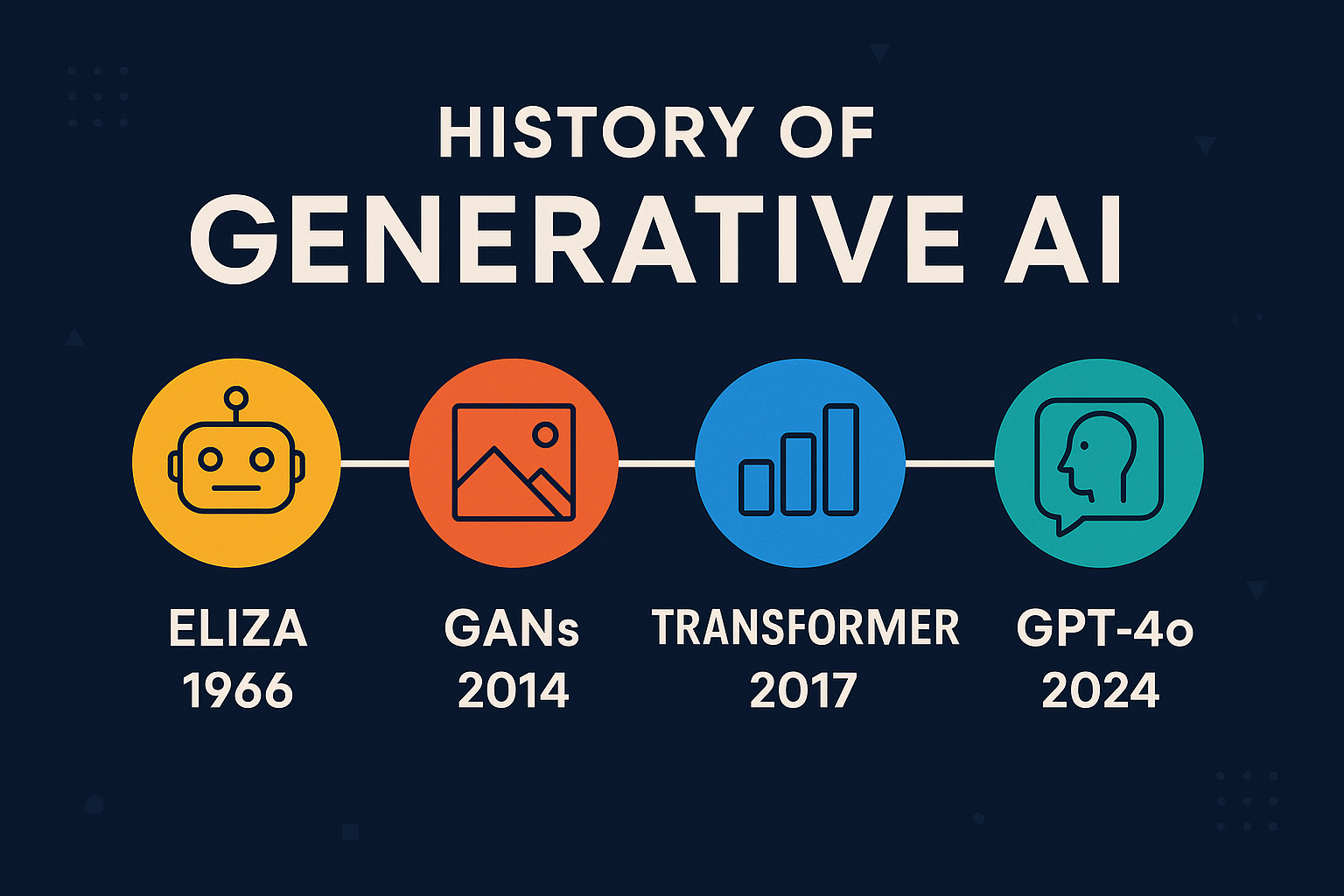
👉 Check out this easy-to-read article on History of Generative AI.


One Comment